মঙ্গলবার | ১৬ ডিসেম্বর, ২০২৫ | ২ পৌষ, ১৪৩২
Bangladesh is often described as an agriculture-based or labor-driven economy. However, beneath its soil lies a range of mineral resources that, if properly explored and managed, could significantly contribute to national economic growth. Unfortunately, due to weak planning, limited technological capacity, and policy indecision, much of this potential remains underutilized.
Among Bangladesh’s key mineral resources are natural gas, coal, limestone, hard rock, silica sand, and peat. Natural gas has long been the backbone of the country’s energy sector, supporting electricity generation, industrial production, and fertilizer manufacturing. Yet, slow exploration of new gas fields and excessive dependence on existing reserves have raised serious concerns about future energy security.
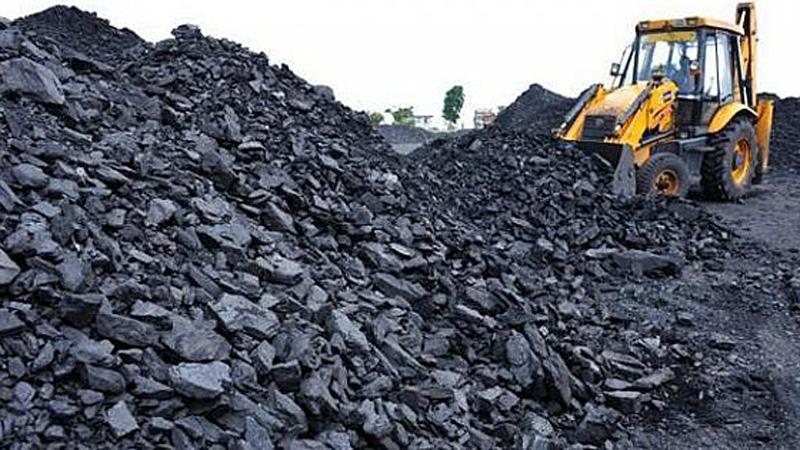
Coal is another major mineral resource with strong potential, particularly in the northern regions such as Dinajpur, Rangpur, and Joypurhat. These coal reserves could have played a crucial role in power generation. However, environmental concerns, land acquisition challenges, and lack of political consensus have delayed large-scale extraction. As a result, Bangladesh has increasingly turned to imported fuels, despite having domestic coal resources underground.
The Madhyapara hard rock mine represents one of the few successful initiatives in Bangladesh’s mining sector. The extracted rock is used in infrastructure development, helping reduce dependence on imported construction materials. Similarly, minerals like limestone and silica sand have strong potential to support the cement, glass, and construction industries.
The core challenge is not the absence of resources, but rather the lack of effective governance, long-term strategy, and modern mining practices. Sustainable development of the mineral sector requires advanced technology, skilled manpower, environmentally responsible mining methods, and transparent regulatory frameworks. Learning from international best practices and attracting responsible foreign investment could help modernize this sector.
If Bangladesh begins to view mineral resources not merely as energy inputs but as strategic economic assets, new opportunities for industrialization, employment generation, and revenue growth could emerge. The time has come to adopt a balanced and forward-looking approach one that transforms underground wealth into a driving force for national development.