শুক্রবার | ১৯ ডিসেম্বর, ২০২৫ | ৫ পৌষ, ১৪৩২

As Bangladesh advances toward middle-income status, concerns over energy security and industrial sustainability are becoming increasingly urgent. While the country continues to rely heavily on imported fuels and raw materials, experts argue that a significant part of the solution lies underground—in the form of largely untapped mineral resources.
Bangladesh possesses commercially viable reserves of natural gas, coal, hard rock, limestone, silica sand, and peat. Yet, compared to regional neighbors such as India and Indonesia, the country has struggled to transform these resources into long-term economic advantages. The gap, analysts say, is not geological—but institutional.
Natural gas remains the most exploited mineral resource, accounting for a major share of electricity generation and industrial fuel consumption. However, declining production from mature gas fields and insufficient offshore and onshore exploration have forced Bangladesh to increase imports of liquefied natural gas (LNG). This shift has significantly raised energy costs, placing pressure on foreign exchange reserves and increasing production expenses for industries.
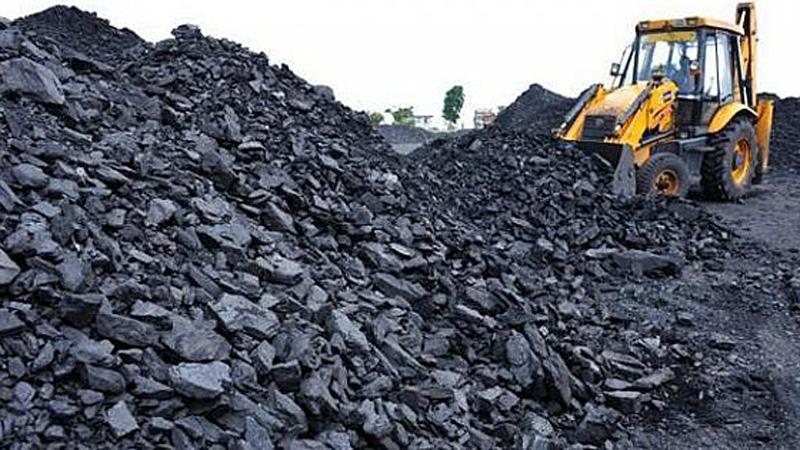
Coal presents a similar paradox. Northern Bangladesh holds substantial coal deposits that could support domestic power generation for decades. Despite this, most coal-fired power plants rely on imported coal due to unresolved debates over mining methods, environmental safeguards, and resettlement frameworks. As global fuel prices fluctuate, this dependence exposes the economy to external shocks.
Beyond energy, non-fuel minerals remain an overlooked opportunity. Limestone and silica sand are essential inputs for cement, glass, and ceramic industries—sectors that are expanding alongside urbanization and infrastructure development. Increased domestic extraction could reduce import bills and strengthen backward linkages in manufacturing. Peat, though limited in scale, also has potential for localized energy use and agricultural applications.
The Madhyapara hard rock mine stands out as a rare success story, supplying construction materials for roads, bridges, and public works. However, experts note that the absence of similar projects highlights broader structural weaknesses, including outdated mining technology, limited geological surveys, and inconsistent regulatory enforcement.
Policy specialists emphasize that responsible mineral development does not necessarily conflict with environmental protection. Many countries have adopted underground mining techniques, strict reclamation standards, and community benefit-sharing models to balance economic and ecological priorities. Bangladesh, they argue, can adapt such practices to its own context.
With rising energy demand driven by industrialization and urban growth, the cost of inaction is increasing. Without a clear mineral development roadmap, Bangladesh risks long-term dependence on imports, reduced competitiveness, and missed employment opportunities.
Reframing mineral resources as strategic national assets—rather than politically sensitive liabilities—could change this trajectory. Transparent governance, investment in modern exploration, and alignment with international best practices may allow Bangladesh to finally convert its underground resources into sustainable economic strength.